Fruit Trees Item Code: LYIS-PAWPAW
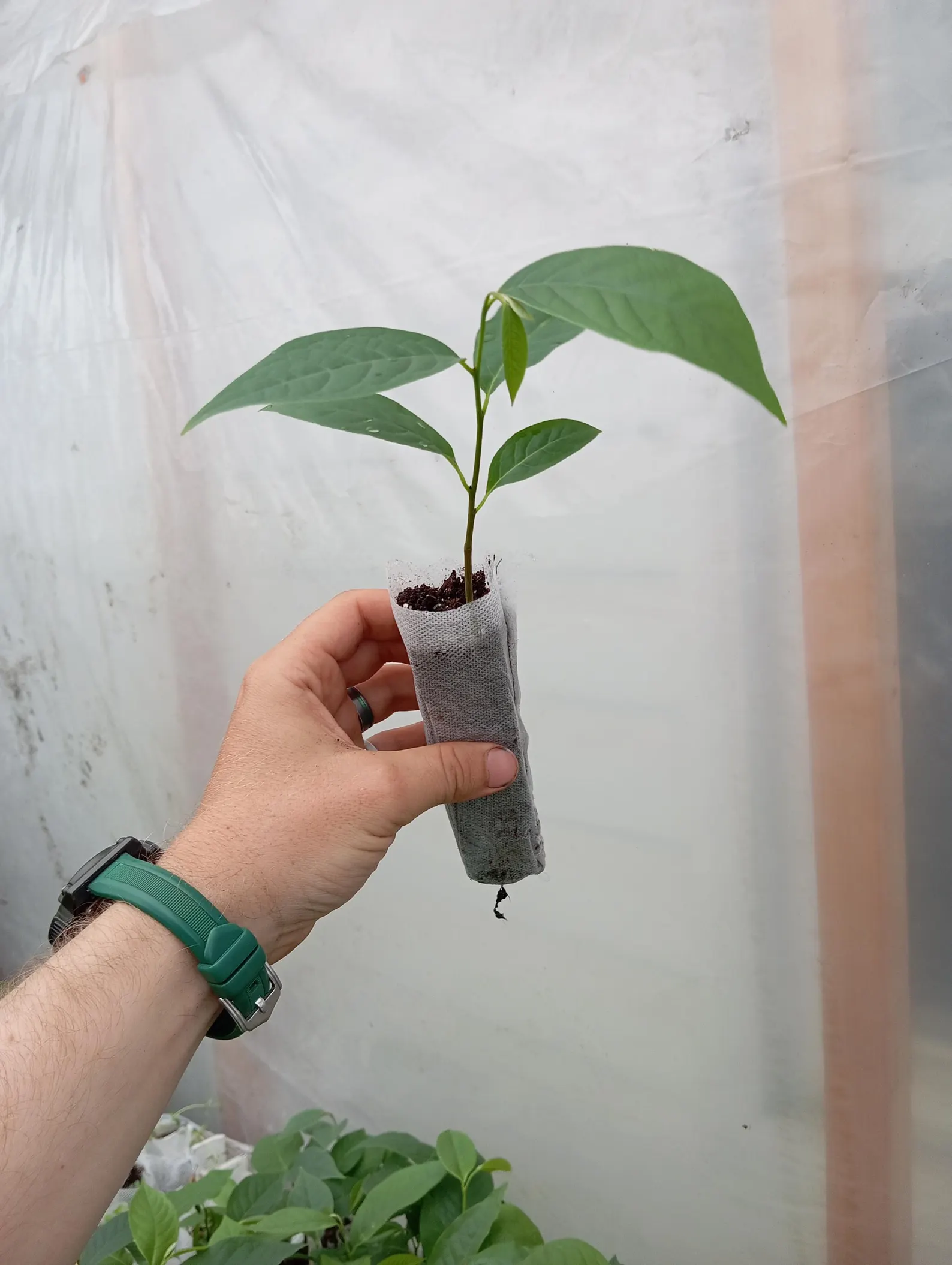
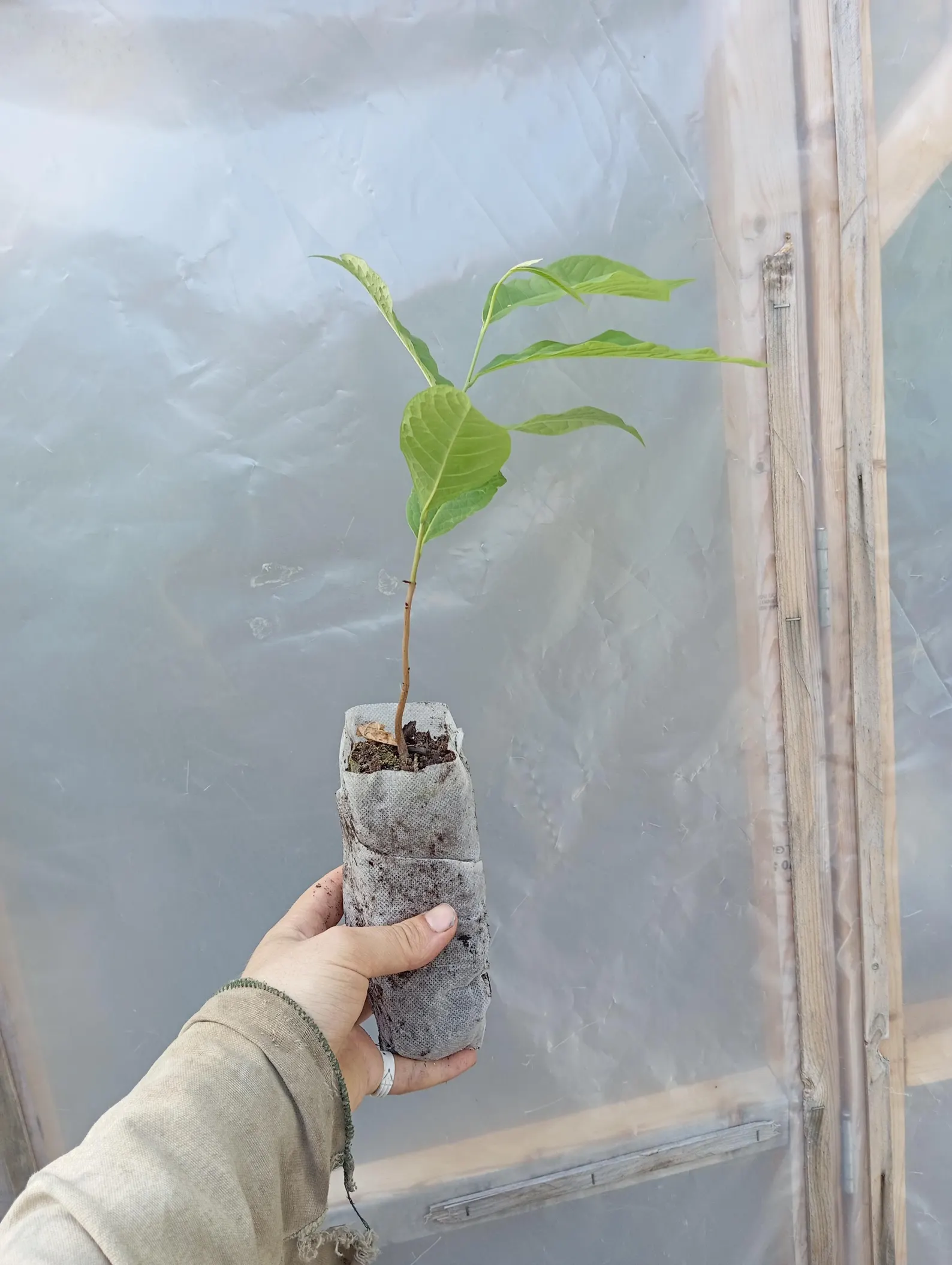
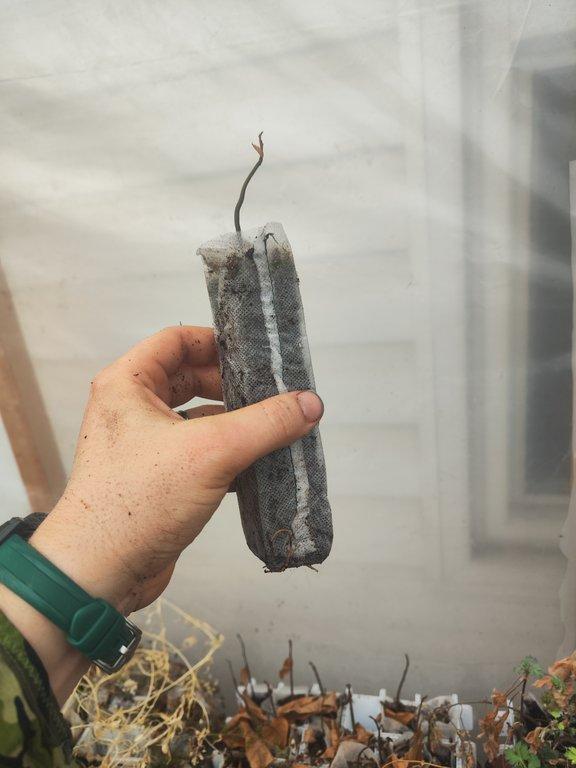
These are ready-to-plant Pawpaw (Asimina triloba) seedlings, grown from seed selected for fruit quality, size, and cold-hardiness. This listing is for trees that are two years old, giving you a head start toward fruit production.
Pawpaws are hardy in zones 5–8, and can tolerate a range of soil types, including sandy loam and clay loam, as long as drainage is decent. They prefer slightly acidic to neutral soils, and do best in a sheltered location with partial shade in their early years, transitioning to full sun as they mature. Trees typically grow 4 to 6 metres tall at maturity.
Pawpaws begin producing fruit in 5–8 years from seed, but since these are already two years old, you could see flowers and fruit in as little as 3–6 years depending on care and conditions. At least two genetically distinct trees are needed for cross-pollination, as pawpaws are not self-fertile.
As with all our seedlings, these have been well cared for and given a balanced diet of nutrients to promote strong growth and disease resistance, including nitrogen, calcium, magnesium, phosphorus, potassium, iron, manganese, zinc, copper, boron, and molybdenum.
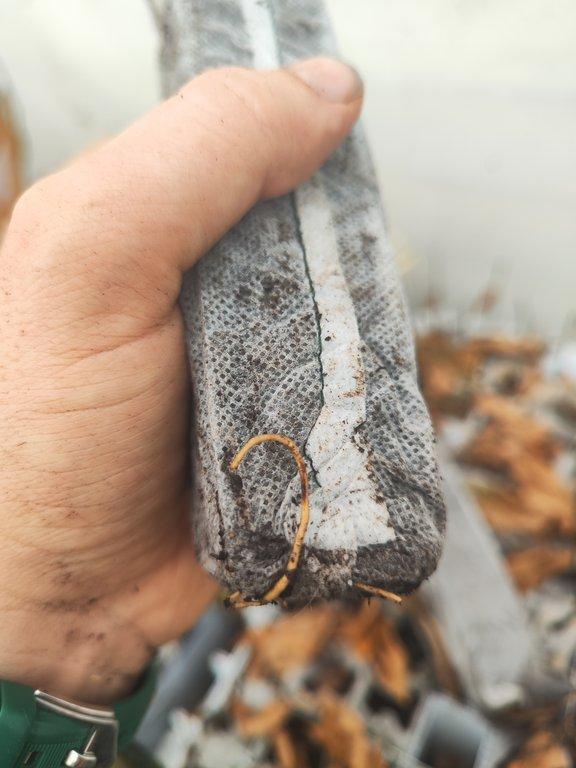
They are shipped in their pots and can be planted directly upon arrival. Because these are live plants, we use fast, careful shipping, and can combine multiple seedlings into one shipment where possible.
Species Information
Pawpaw (Asimina triloba) - North America's Largest Native Fruit
Pawpaw is a small native understory tree that produces large tropical-tasting fruits despite growing in temperate North America. Native to eastern forests and river valleys, it thrives in rich woodland soils and sheltered sites, making it an excellent addition to food forests, forest gardens, and permaculture plantings.
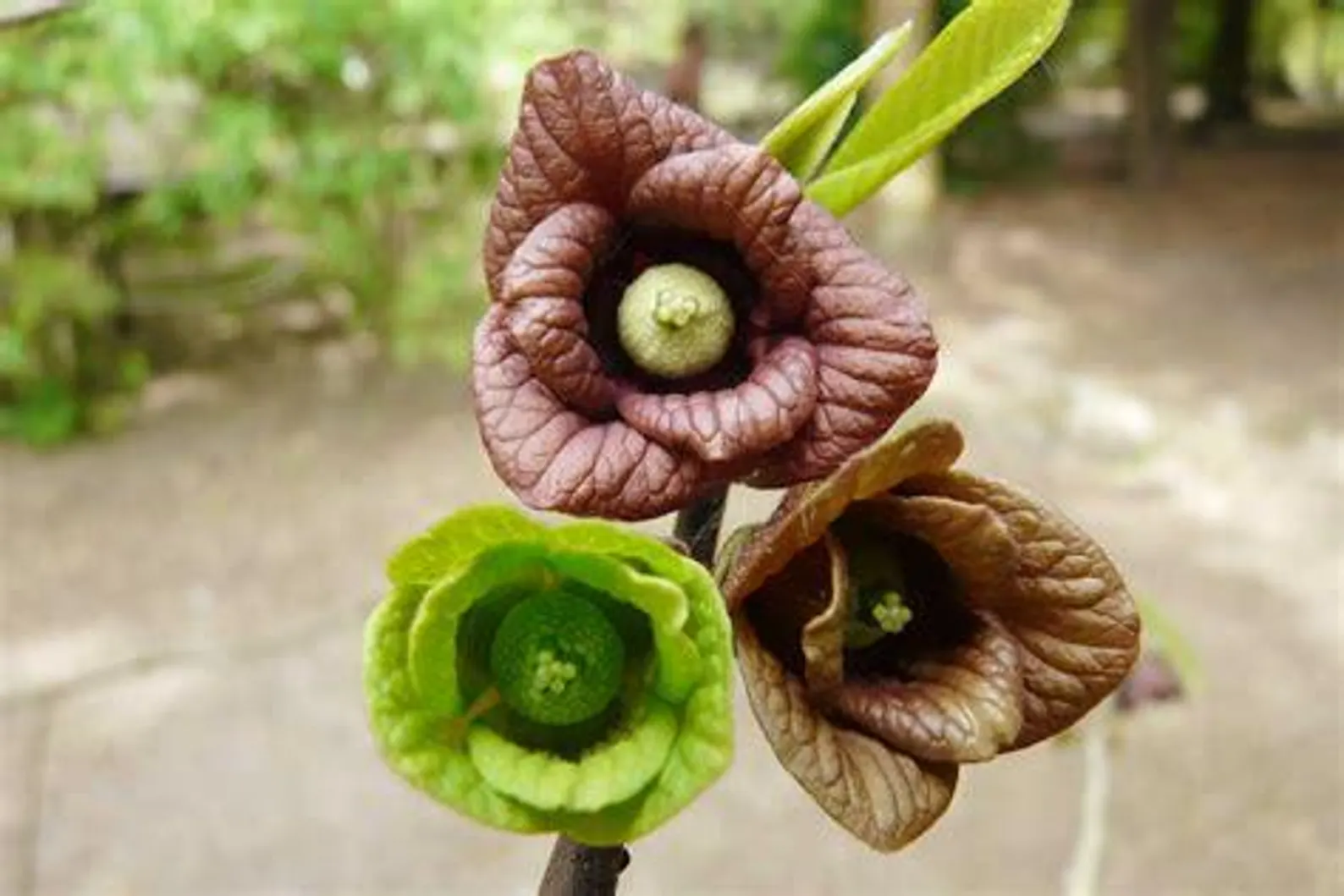
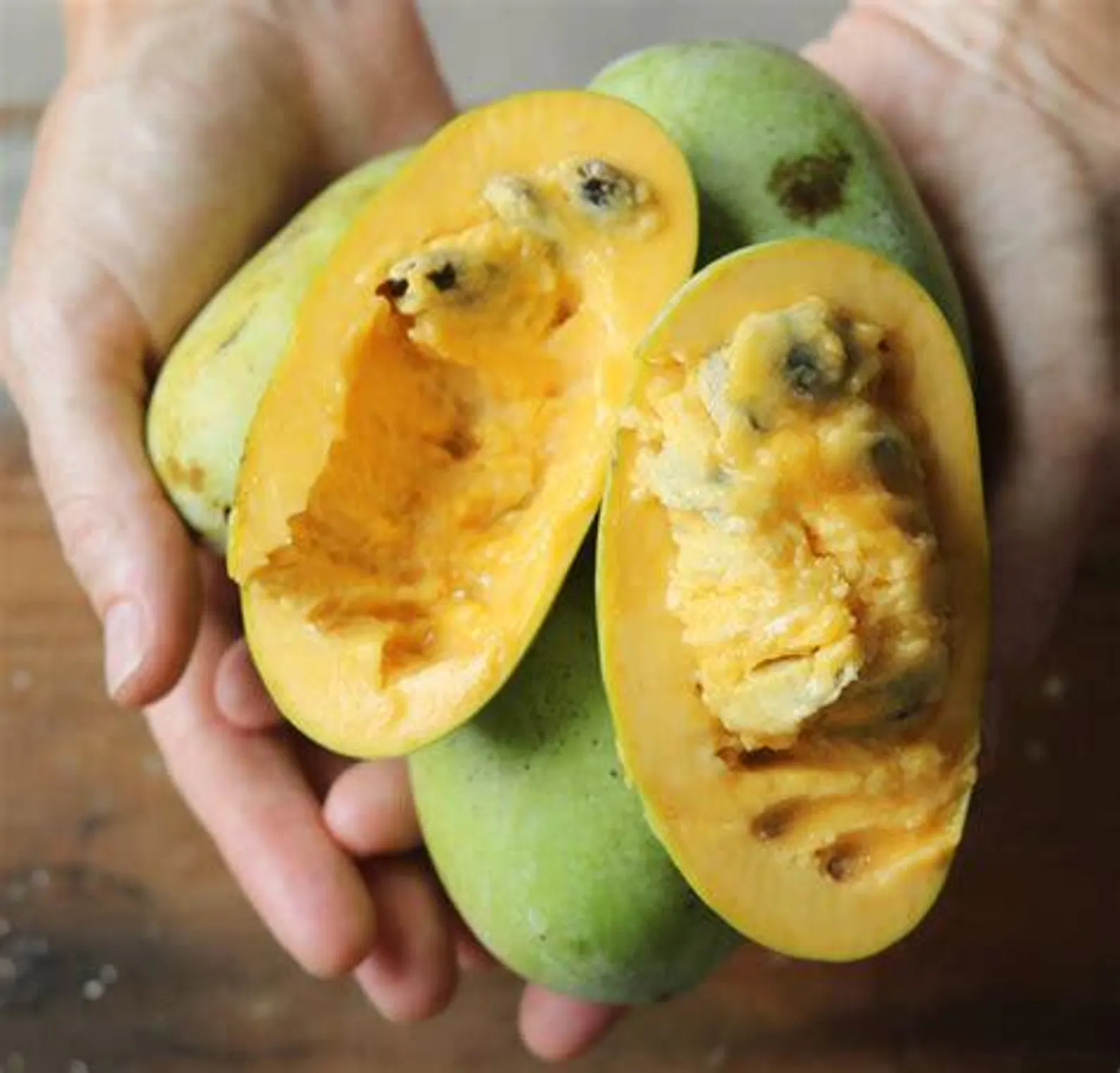
The tree typically grows 4-10 m tall with large drooping leaves that give it a lush, almost tropical appearance. In spring it produces unusual dark maroon flowers that are pollinated by flies and beetles. By late summer to early autumn, the tree bears clusters of green fruits that ripen to soft yellow flesh with a rich flavour often compared to banana, mango, and custard.
Pawpaw spreads naturally by root suckers and often forms small colonies in the wild. Young trees prefer partial shade while establishing, though mature trees produce the most fruit in full sun. The species is well adapted to the cool temperate climates of eastern North America and tolerates cold winters once established.
Why plant Pawpaw:
- Produces large, sweet tropical-flavoured fruit
- Native tree that supports woodland ecosystems
- Excellent for food forests and forest gardens
- Attractive tropical-looking foliage
- Very few serious pests or diseases
- Cold hardy despite tropical-style fruit
Growing conditions: Young trees establish best in partial shade, especially during their first few years. Mature trees produce the most fruit with more sunlight. Plant at least two genetically different trees for reliable pollination.
Pawpaw is one of the most unique edible trees native to North America and offers an opportunity to grow a truly distinctive fruit in temperate climates.
Species Details
- Primary Trait: Fruit
- Minimum Winter Temperature: -30 °C
- Optimal Temperature: 24 °C
- Maximum Summer Temperature: 35 °C
- Light: 8000 to 100000 lux; optimal 50000 lux
- Rainfall: 700 to 1400 mm/yr; optimal 1000 mm/yr
- Soil pH: 5.5 to 7.2; optimal 6.5
- Soil Fertility (CEC): 15.0 to 40.0 cmol/kg; optimal 25.0 cmol/kg
- Sand Content: 20.0 to 60.0%
- Clay Content: 5.0 to 30.0%
- Hydraulic Conductivity: 0.2 to 4.0 cm/hr
- Traits: Native, Edible, Fruit
- Edible Uses: Fresh fruit eaten raw when fully ripe Custards, puddings, and desserts Ice cream and frozen desserts Smoothies and fruit blends Pawpaw bread and baked goods Jams and preserves
- Notes: Fruit is highly perishable and best eaten fresh shortly after harvest. Seedlings may take several years to begin fruiting.